
How Carbide Cutting Tools Are Made: From Tungsten Powder to Precision Performance
Why Carbide Cutting Tools Matter
Carbide cutting tools are the backbone of modern machining. Used extensively in CNC milling, drilling, and turning operations, tungsten carbide tools offer superior hardness, heat resistance, and tool life compared to high-speed steel.
But how are carbide cutting tools actually made?
Unlike forged or cast tools, carbide tools are produced using powder metallurgy, a highly controlled manufacturing process that transforms raw mineral powders into precision-engineered cutting instruments capable of machining hardened steels, stainless steel, titanium, and aluminum alloys.
Step 1: Tungsten Carbide Powder Production
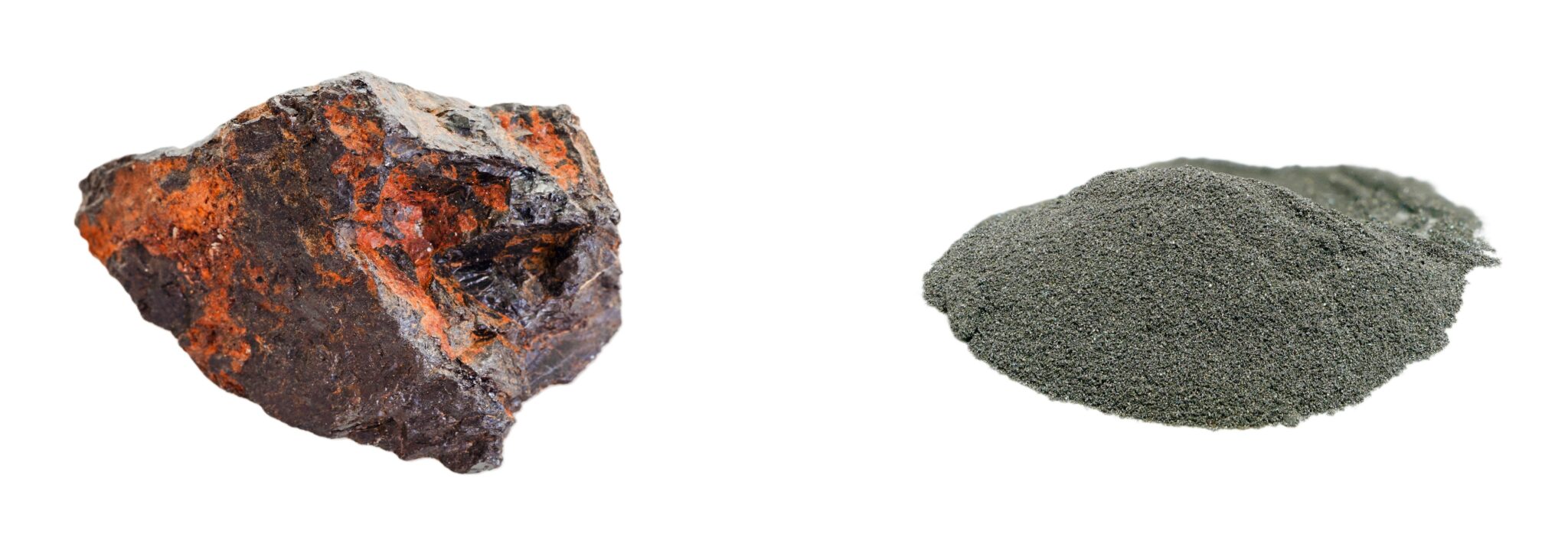
The process begins with tungsten carbide (WC) powder, created by chemically combining tungsten with carbon at high temperatures.
Key factors at this stage include:
- Grain size control (fine-grain vs. coarse-grain carbide)
- Powder purity
- Particle distribution
Fine-grain carbide improves wear resistance and edge sharpness, while coarser grains improve toughness, critical for roughing and interrupted cuts.
Step 2: Binder Addition and Powder Blending
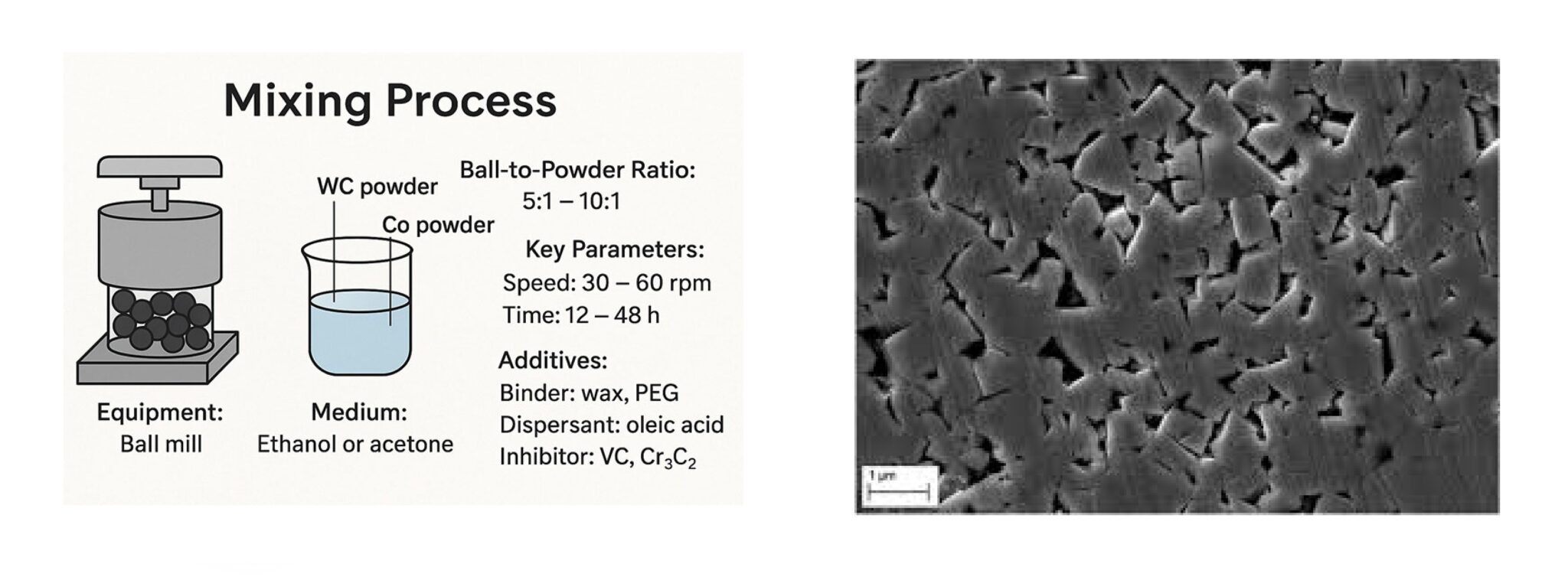
Pure tungsten carbide is extremely hard but brittle. To improve toughness, manufacturers add a metallic binder, most commonly cobalt.
The result is cemented carbide, a composite material that balances:
- Hardness
- Toughness
- Thermal stability
Binder content is carefully engineered based on the intended application, such as high-speed milling, heavy roughing, or finishing operations.
Step 3: Pressing the Carbide Tool Blank
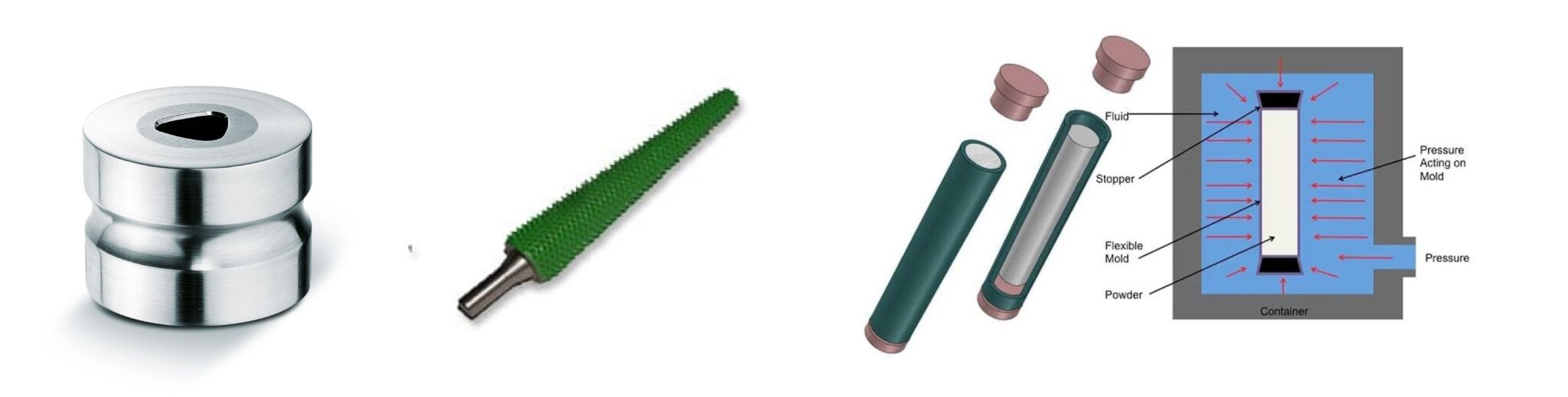
The blended powder is compacted into shape using:
- Uniaxial pressing (simple geometries)
- Cold isostatic pressing (CIP) (complex or high-density tools)
At this point, the tool blank – called a green compact – has shape but very little strength.
Step 4: Sintering – Densifying the Carbide
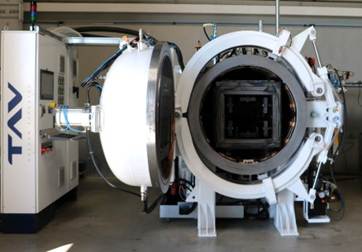
Sintering is the most critical step in carbide manufacturing.
The pressed blanks are heated in vacuum or inert gas furnaces to temperatures near 1,400–1,500°C. During sintering:
- The cobalt binder liquefies
- Carbide grains bond together
- Porosity is eliminated
- The tool reaches near-theoretical density
This process gives carbide its exceptional hardness and wear resistance.
Step 5: CNC Grinding and Tool Geometry Creation
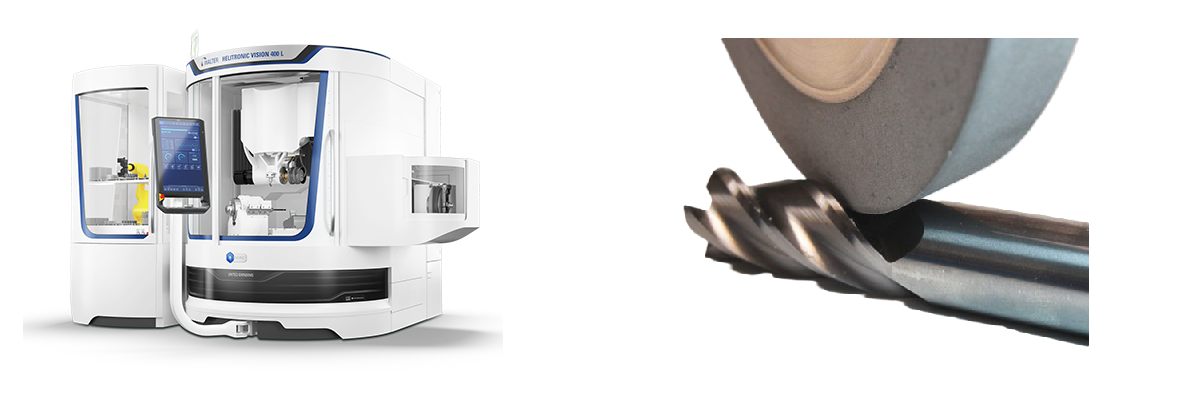
After sintering, carbide cannot be machined conventionally. All geometry is created through diamond grinding on CNC tool grinders.
Grinding defines:
- Flute profiles
- Helix angles
- Cutting edge sharpness
- Corner radii and edge prep
Precision at this stage directly affects tool life, chip evacuation, and surface finish.
Step 6: Tool Coating for Extended Tool Life
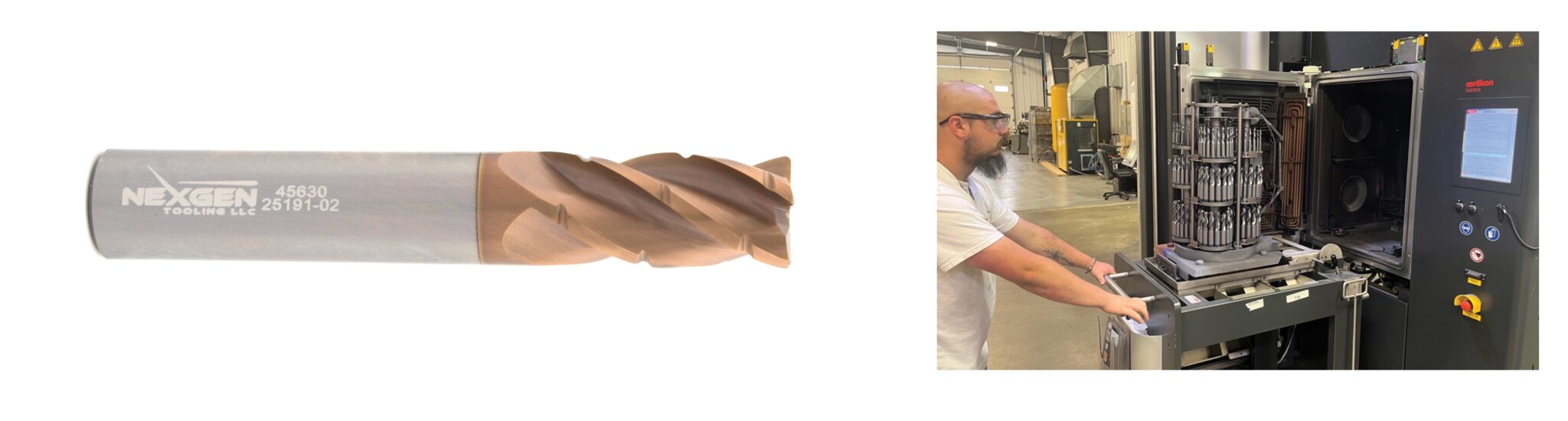
Many carbide cutting tools receive advanced coatings via PVD or CVD processes. These coatings:
- Reduce friction
- Increase oxidation resistance
- Improve heat tolerance
- Extend tool life significantly
Common coatings include TiAlN, AlTiN, TiCN, and nano-layered coating systems optimized for specific materials.
Why Carbide Cutting Tools Outperform Steel Tools
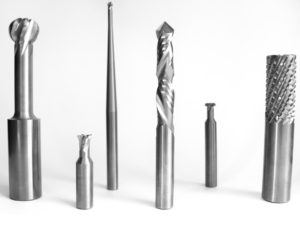
Carbide tools outperform high-speed steel due to:
- Higher hardness at elevated temperatures
- Better wear resistance
- Higher allowable cutting speeds
- Superior dimensional stability
This makes carbide the preferred choice for high-productivity CNC machining environments.
Frequently Asked Questions:
What is tungsten carbide made of?
- Tungsten carbide is made by chemically bonding tungsten and carbon atoms, forming an extremely hard ceramic material used in cutting tools.
Why is cobalt used in carbide tools?
- Cobalt acts as a binder that improves toughness and prevents brittleness, allowing carbide tools to withstand cutting forces and vibration.
Are carbide cutting tools forged?
- No. Carbide cutting tools are made using powder metallurgy and sintering – not forging or casting.
Why are carbide tools ground instead of machined?
- Once sintered, carbide is too hard for conventional machining and must be shaped using diamond grinding.
Final Thoughts: Engineering Performance at the Micron Level
From tungsten carbide powder to coated, precision-ground tools, the manufacturing process behind carbide cutting tools is a masterclass in materials science and precision engineering. Every variable – grain size, binder ratio, sintering temperature, edge prep, and coating – plays a role in how a tool performs on the shop floor.
That performance doesn’t happen by accident. It’s engineered.
Find Posts
Need help deciding?
Talk to NEXI, our AI assistant!
Prefer to speak with a team member?
Reach out to our customer service team