
Carbide Cost Pressure Is Back: What APT Pricing Means for Cutting Tools
What APT Pricing Means for Cutting Tools and What to Expect Over the Next 12 Months
If you buy (or quote) carbide cutting tools, you’ve felt it: raw-material volatility is re-entering the conversation in a big way. The single most important upstream signal for cemented carbide is APT (ammonium paratungstate), a key intermediate used to make tungsten metal and tungsten carbide powders. When APT moves sharply, carbide costs tend to follow.
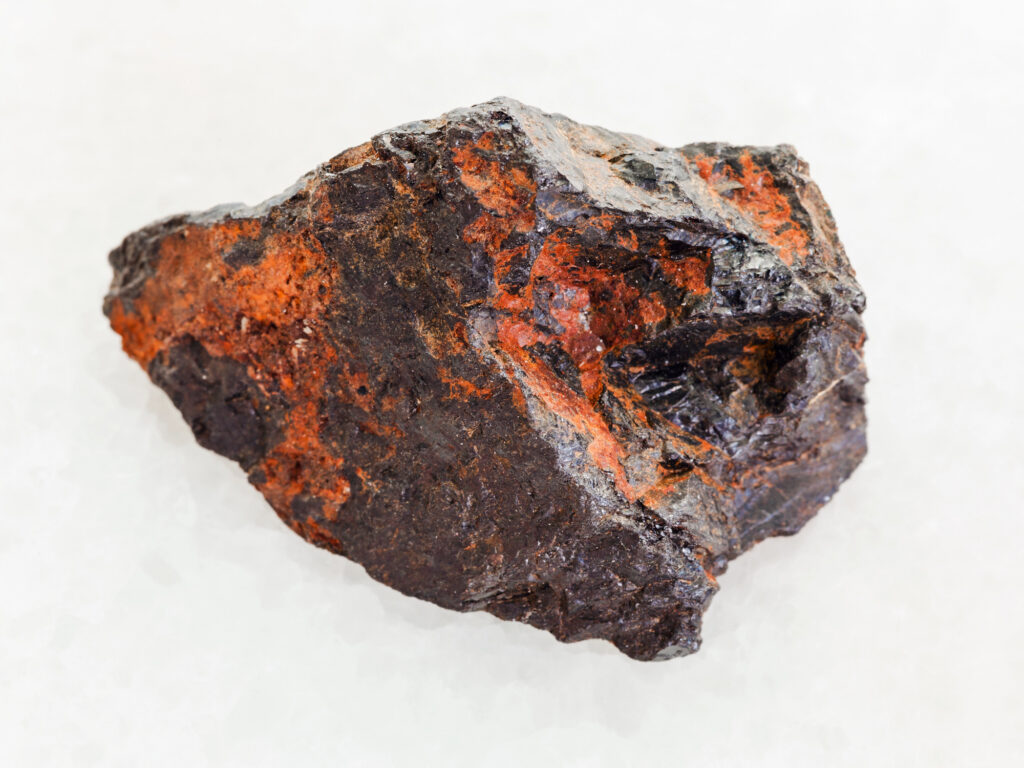
Below is a practical read on what’s happening now, why it’s happening, and what the next year could look like, with implications for tool pricing, lead times, and procurement strategy.
Where APT is right now (and why it matters)
APT is a widely referenced benchmark because it sits close to the “economic heart” of tungsten conversion costs. When APT rises, it typically lifts:
- tungsten powder
- tungsten carbide powder
- cemented carbide rod/blank input costs
…and ultimately affects end-mill and insert pricing, especially for high-carbide-content tools.
In late January and early February 2026, China’s tungsten industry reporting showed very large month-over-month increases, including APT moving into historically high territory:
- January 2026 average APT price: RMB 757,143/ton, up ~26.8% MoM (and sharply YoY).
- Feb 4, 2026 APT price: RMB 950,000/ton (with tungsten powder also elevated).
Reuters also reported APT trading around $1,125–$1,150 per metric ton unit (mtu) in China and about $1,100/mtu in Rotterdam, highlighting that the pricing pressure is not just local, it’s global.
Why this matters to tool buyers: cemented carbide is not a “small” portion of a finished tool cost, particularly for larger diameters, high-performance grades, or tools with more mass (custom form tools, complex geometries, etc.). When APT runs, quoting accuracy and price validity windows get harder.
What’s driving the move: tight supply + policy friction
This isn’t a “normal cycle” story. Several overlapping forces are compressing supply:
A – Export controls and tighter outbound flow from China
Reuters attributes the surge to tightening supply and Chinese export controls introduced in early 2025, with export channels more constrained than in prior years.
B – Quotas and upstream constraints
Reuters also points to reduced mining quotas and lower ore grades, which reduce available units and raise marginal costs.
C – Fragmented ex-China supply
Outside China, tungsten production is comparatively fragmented, meaning the market has fewer “shock absorbers” when the dominant supply base tightens.
D – Demand isn’t going away
Tungsten is a workhorse for cutting tools and wear parts, and it also has strategic pull from aerospace/defense and advanced manufacturing. Reuters specifically calls out demand from defense and aerospace alongside broader industrial demand.
How this flows into carbide tool pricing (real-world mechanics)
Even if your carbide tools aren’t indexed directly to APT, the cost pressure shows up through predictable pathways:
- Powder and carbide grade surcharges
Many supply chains apply adjustments at the powder/blank level first (rods, preforms, inserts). Finished tool pricing follows with a lag. - Quote validity windows shrink
When upstream is volatile, suppliers shorten quote windows to avoid being upside-down on material. - Lead times can extend
Not only because of capacity, also because buyers pull orders forward to “lock” price and availability. - More selective allocation
In tight markets, mills and powder producers prioritize higher-margin or contract customers, which can disadvantage spot buying.
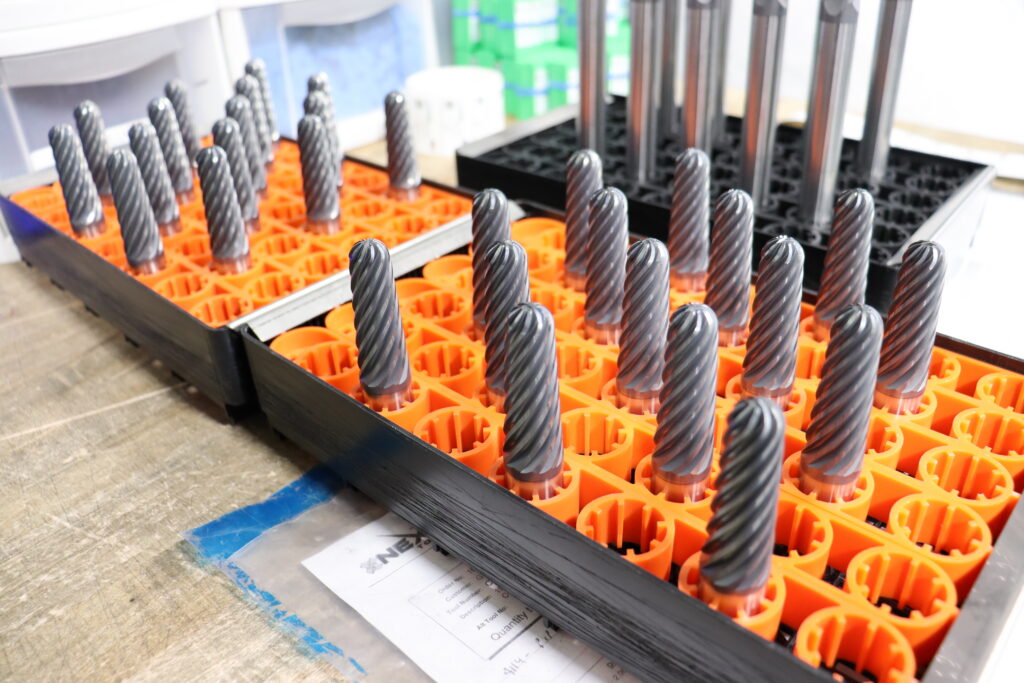
Outlook for the next 12 months: three scenarios (and what we think is most likely)
No one can credibly call a precise APT number a year out without a subscription forecast and a lot of assumptions. But the structure of the market gives us practical scenarios:
Scenario 1 – High plateau (most likely)
APT stays elevated, with volatility around a high mean. That’s consistent with ongoing supply friction and policy risk noted by Reuters, plus the difficulty of rapidly scaling ex-China supply.
Implications: expect continued price discipline, shorter quote windows, and periodic surcharges.
Scenario 2 – Further leg up
If export controls tighten again, quotas tighten, or demand accelerates faster than substitution/recycling can offset, APT can step higher. Reuters noted expectations among market participants for further increases in the near term.
Implications: larger and more frequent price resets, plus greater allocation risk.
Scenario 3 – Cool-down
If industrial demand softens meaningfully, or if constrained supply loosens through policy changes or new units, APT could retrace.
Implications: pricing stabilizes, quote windows widen again, but procurement teams should still expect a higher “floor” than the pre-spike era if structural constraints persist.
Bottom line: based on the current market structure (policy + quota + concentrated supply), the high plateau/volatile outcome is the prudent planning assumption.
What NEXGEN customers can do right now (simple, effective moves)
If you’re running production machining and need cost and supply stability, here are the plays that consistently work in volatile carbide markets:
- Lock critical tools earlier (especially high-usage roughers, high-diameter tools, and custom forms).
- Standardize tool families where possible to increase purchasing leverage and reduce “one-off” exposure.
- Use longer agreements for high runners and keep spot buying for non-critical items.
- Talk to your tool partner about grade strategy (sometimes small adjustments in grade/coating selection can reduce cost sensitivity without sacrificing performance).
Closing thought
APT is sending a clear signal: tungsten-driven inputs are tight and pricing power has shifted upstream. The best response isn’t to guess the peak, it’s to procure smarter, qualify alternates, and partner tightly with a supplier who can support performance and continuity.
Savings Opportuntity – Compare your pricing with that of NEXGEN…it is not uncommon for us to save customers up to 15% on price alone. Contact Us at: sales@nexgentooling.com
Sources:
China Tungsten Industry Association (CTIA), January – February 2026 Tungsten Market Reports; Reuters, “Tungsten prices hit record highs as export curbs tighten supply,” Jan 29, 2026.
Find Posts
Need help deciding?
Talk to NEXI, our AI assistant!
Prefer to speak with a team member?
Reach out to our customer service team